News post
Alone at 1,450 km/s: fatigue and the single-pilot courier
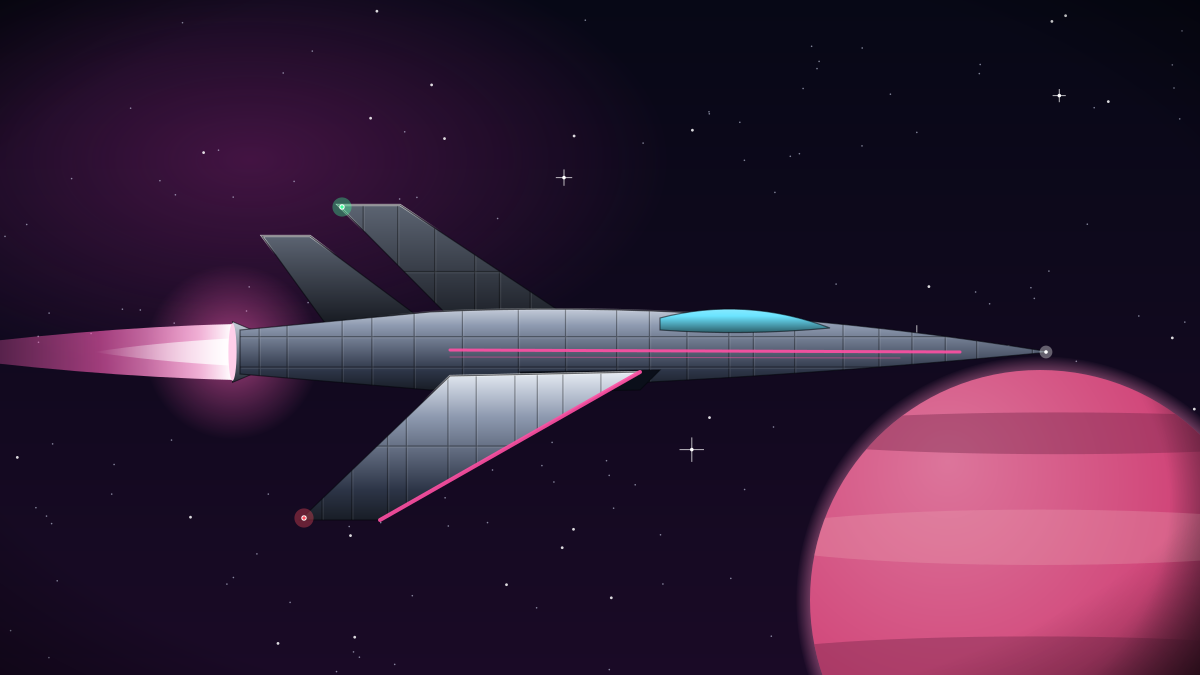
I flew the Aurora Mk II on express runs from L5 to Mars for five years. It is the fastest crewed ship Halcyon has ever built, 28 metres of deuterium-helium-3 fusion drive that can reach 1,450 km/s and Mars orbit in under four days. People assume the danger is speed. It is not. The danger is the pilot, alone, on the fourth day without proper sleep.
Single-pilot flying removes the safety net that multi-crew ships take for granted. There is no colleague to notice a mistyped burn or a missed alarm. In an Aurora, a mistimed burn can cost the fuel margin you need to reach port. When we reviewed courier incident reports with operators, the pattern was obvious: almost all of them involved fatigue.
So we rebuilt the ground school of the Courier & Interceptor Rating around single-pilot resource management. Students learn to plan rest around the flight profile rather than the clock, to use the Aurora's automation deliberately, and to run structured self-checks before any critical manoeuvre. They also learn to recognise the subtle signs of their own fatigue and to treat them like any other warning light.
The course is 10 weeks long with 120 simulator hours, many of them run at the end of long sessions when students are tired, and 55 flight hours in the Aurora. The final phase is a multi-day solo sortie towards Mars orbit, shadowed by an instructor in a second Aurora. Our first-time pass rate is 84 per cent.
Cohorts are tiny, six candidates and two instructors, so the course is waitlisted. Tuition is 142,000 credits, and courier firms sponsor many seats. The next intake starts on 12 January 2188.
Courier firms that adopted our rest rules have seen incident rates fall sharply. I am proud of that. If you want to fly the fastest ship in the catalogue, be ready to learn that the most important skill is knowing when to rest.